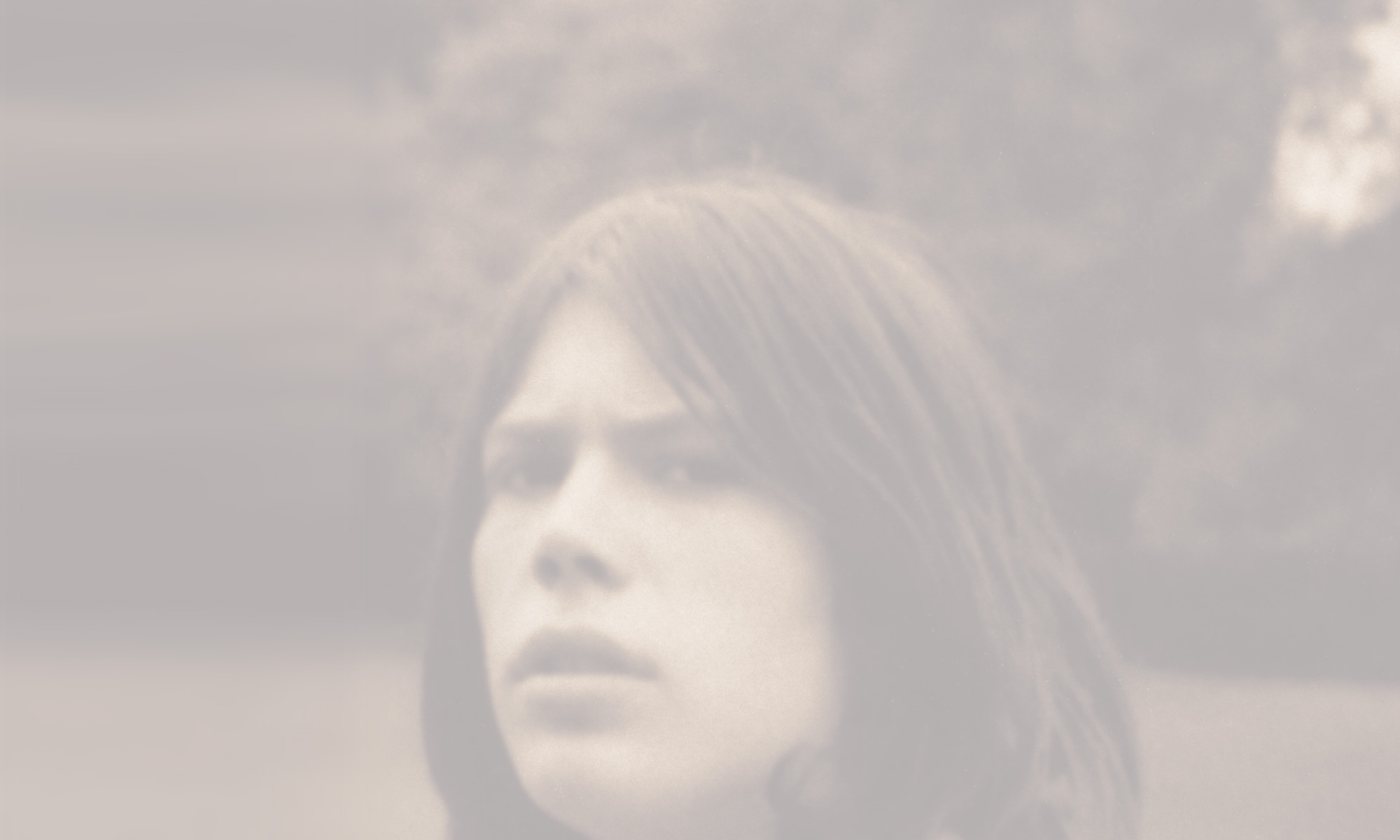
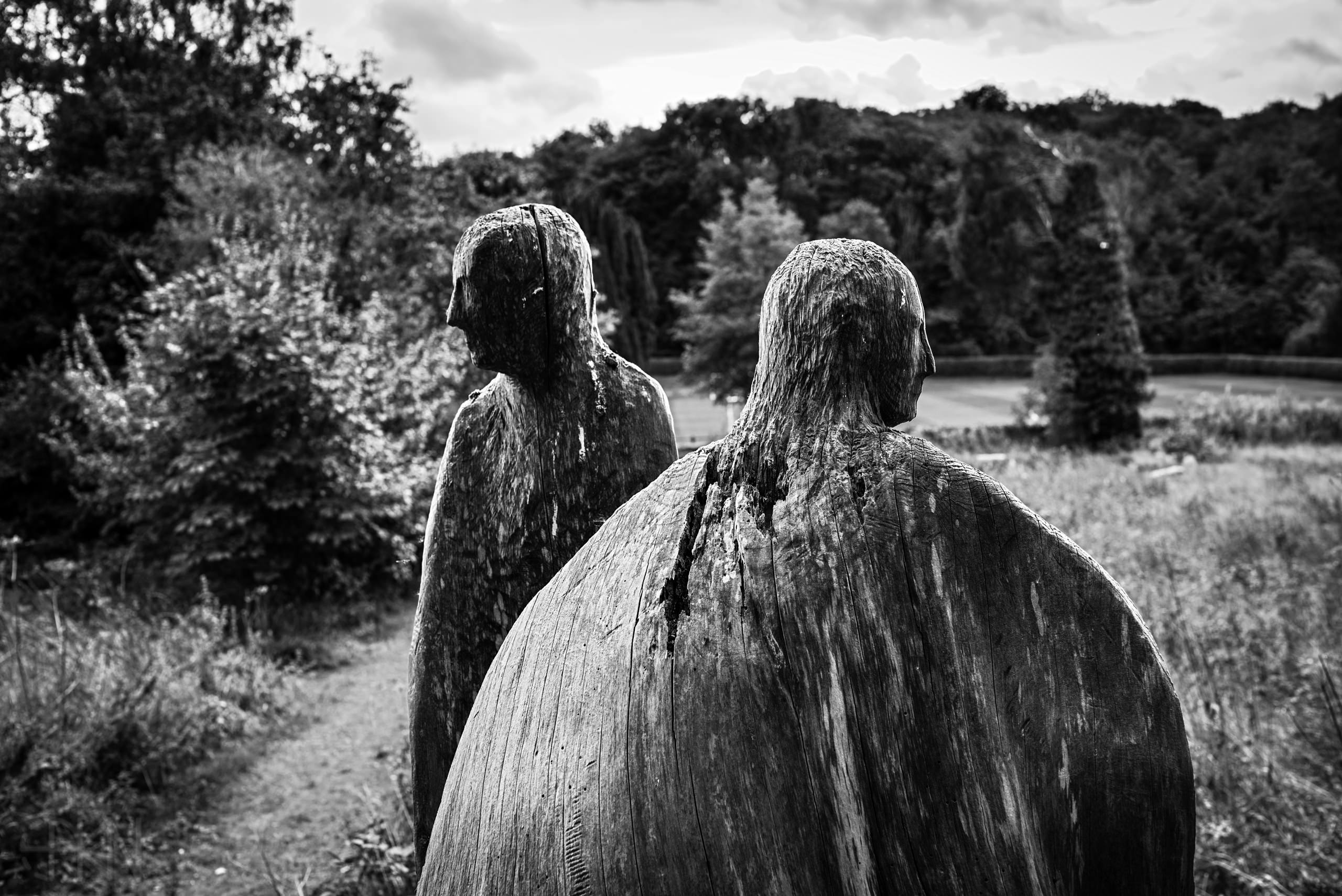
In the Mendip Hospital Cemetery, if you listen hard enough, you can hear the voices.
Voices of lives. Like any others?
Echoing sounds, the memories of spirits. Footsteps, doors slamming, voices, loud exclamations, harsh coughs, laughter, incoherent tears of anguish.
Be still near there. Close your eyes. Listen to the silence, and you’ll hear them.
But the heart of each — how was that? And how can it be, that it was so much, so very much, and then so little, so little, as to be gone now? What sort of joke is that? Oh if we were living spirits again, we would weep.
We know: you’ll say, “It’s the same for everyone.” And you’re right, of course. But isn’t there a difference? For us, those long years of tortured misunderstanding that had to be hammered, day by day, into the flat pain of submission. The shame, the sorrow; never really understanding why it should be.

It has to be said: some of us were here for the commonest of reasons. Things you would almost be proud of, in your modern day. But for us, cloistered, assured of no escape — what did we have? All we had was a half-forgotten little spark, a small thing, vaguely remembered, that we found to cling on to, inside; that smallest thing which we hoped would give us comfort. Was it a mother’s voice? The sounds of the lost home of infancy? Was it just one sound? The voice of one other, so loved? And wouldn’t you, like us, have blared it out, over and over again, and so added to the great misunderstanding that is called ‘madness’?
For it to have loomed so large then, for it all to have been hedged around by such heights and depths of sorrow and shame; all shut away from being able to say: this is who we were.
Oh yes, we grinned, we laughed, we yelped, we were puzzled, we saw the sun. Sometimes we even forgot our sorrow. All these things you know, too. But isn’t there, wasn’t there, a difference? The poverty, the dirt; those rooms; those benighted, bedraggled, unadorned people; the raw, thankless misunderstanding; the isolation.
But it’s all isolation, isn’t it, friend? Isolation, until the time came for that great communion; the one that comes for us all, which ends all our isolation and which erases all those differences which seemed so great then; when, as it is with you, some devil of a canker rears up and demands that we go into the earth. And then in ceasing to be people, once more we become everything else.
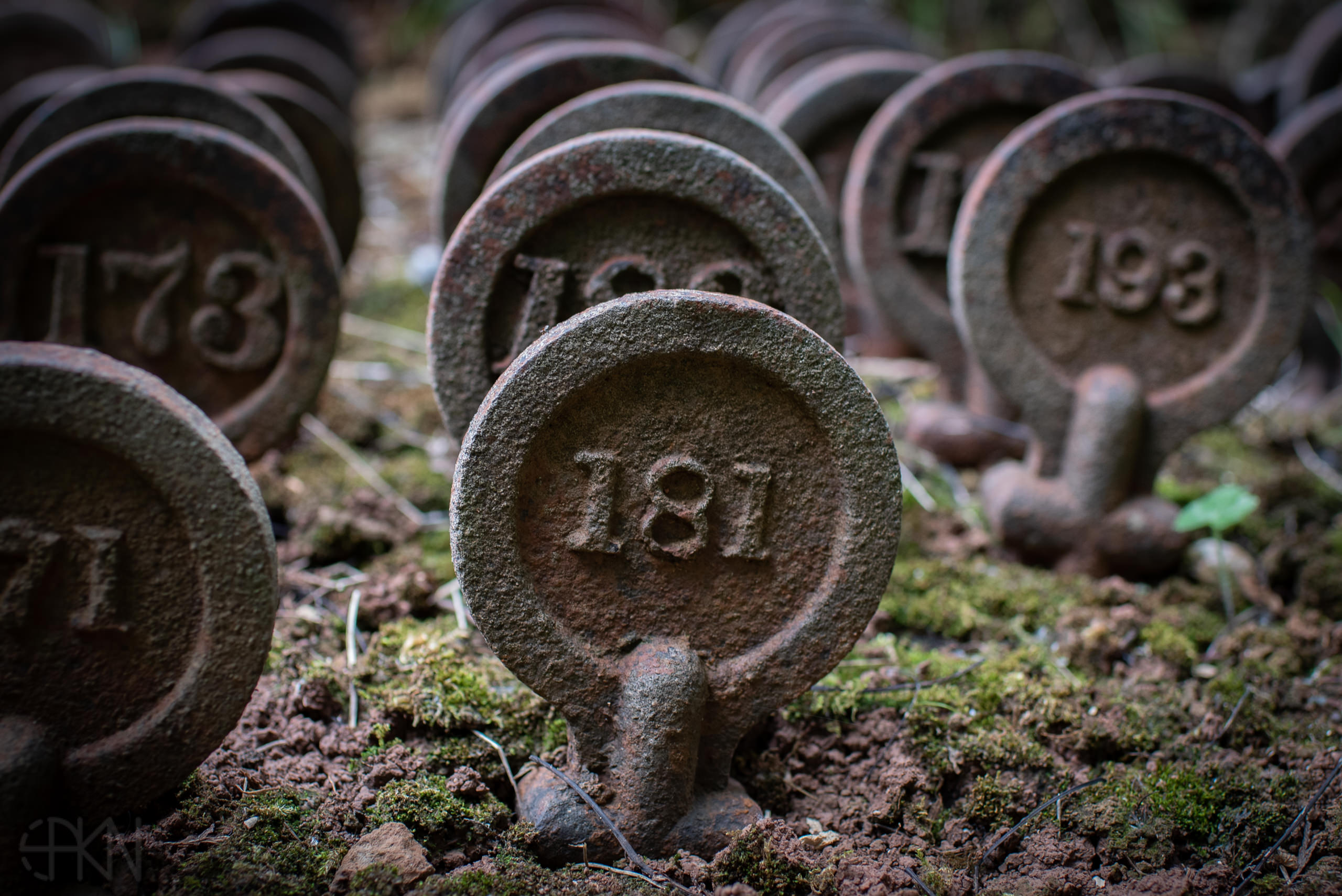
But there, can you see? We were marked as numbers in iron circles! There’s a holiness for you, friend! For as soon as you see those, our spirits rise again a little, cry again a little, laugh again a little, live again, a little.
Even you, my friend, weren’t you there, too? Had you had enough of life? Did you find yourself there, stepping out of that stone porchway and being surprised to find that you loved that tree, that sky, so much more than you could say? Was that, madness, then? No, friend. It was spirit finding joy. Did you listen to the tales of ‘George and the Dragon’, which were never really finished? Those sorry inmates, troubled. “Never should have been there,” you thought.
But we didn’t have the modern understandings. We lived and suffered in our shame and isolation; and we died, just like you. Like everyone, we softly disintegrated. The world will have its way. But hark: if you listen carefully, you might hear us; you might hear the noises of the thousand things that made up the impressions of our lives, just as they do yours. But, friend, even though you, too, came and went here, our things were different to your things. It was so long ago. It was bad. It was worse.
But, some bright fool thought it right and proper to give us numbers, impressed upon these iron rings! Ah you never had that, did you?
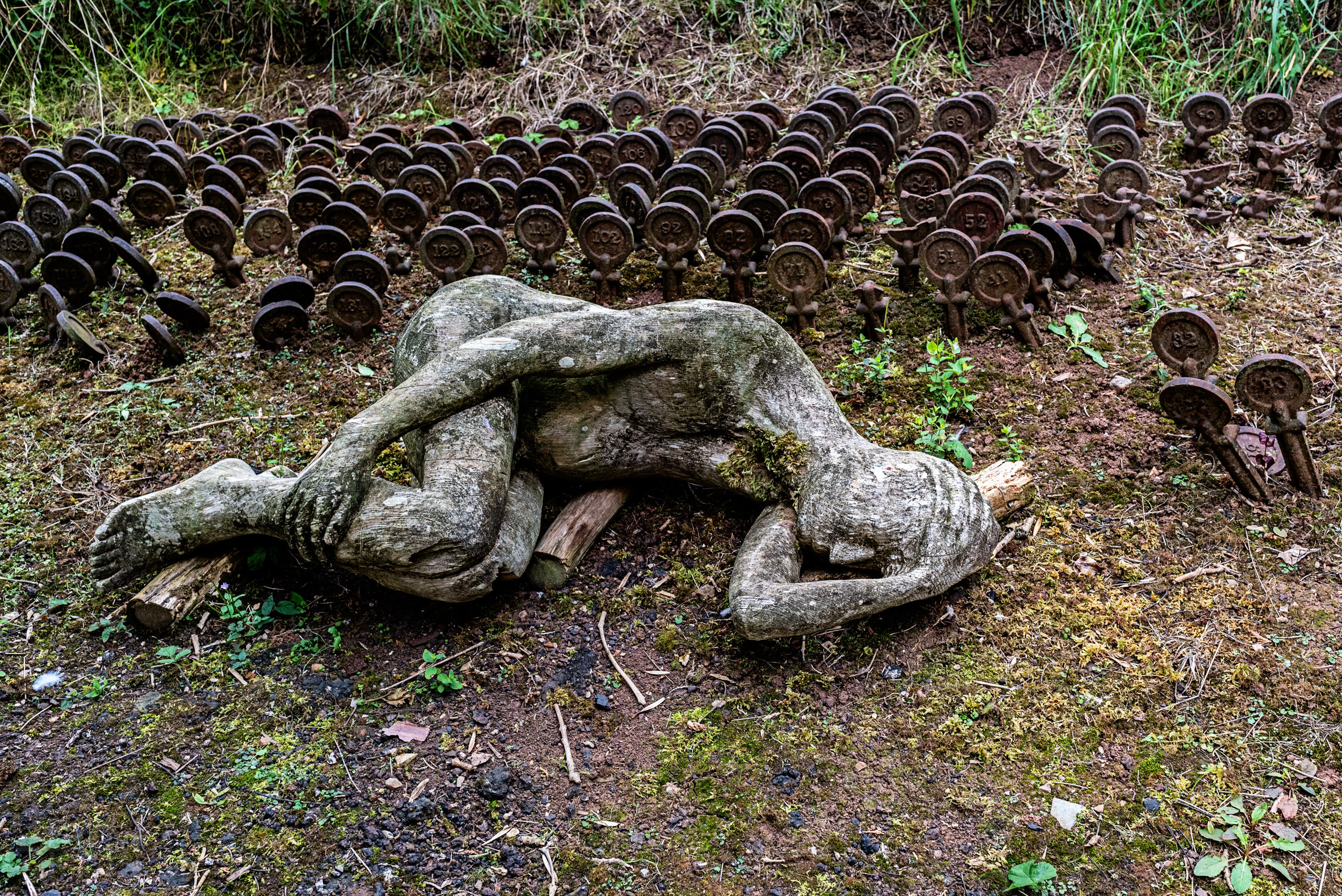
Further information about the Mendip Hospital Cemetery can be found on the Friends of Mendip Hospital Cemetery website.