
Avebury village is special, not only because of its inevitable association with the famous prehistoric stones which encircle and lie within it, but also because of its own architectural purity.
The almost complete absence of modern development happily results in a space which is largely unspoiled—except, of course, for the traffic of the A4361, which drones and shoots angrily through its centre. Indeed the road doesn’t seem a part of Avebury somehow, but more like an inflamed gut running through it. One needs to take great care when crossing it, from one field to the other. Avebury would most assuredly be vastly improved if the road disappeared, but no doubt the price would be some even ghastlier molestation of the landscape elsewhere.

But we might more charitably focus on the good aspects of Avebury village, which lie chiefly in its houses and buildings. Avebury Manor (top two photos) is a Grade I listed 16th century manor house. Built on the site of a 12th century Benedictine priory, it passed through many hands and underwent various alterations until it was acquired by the National Trust in 1991. It is open to the public and boasts a handsome garden.
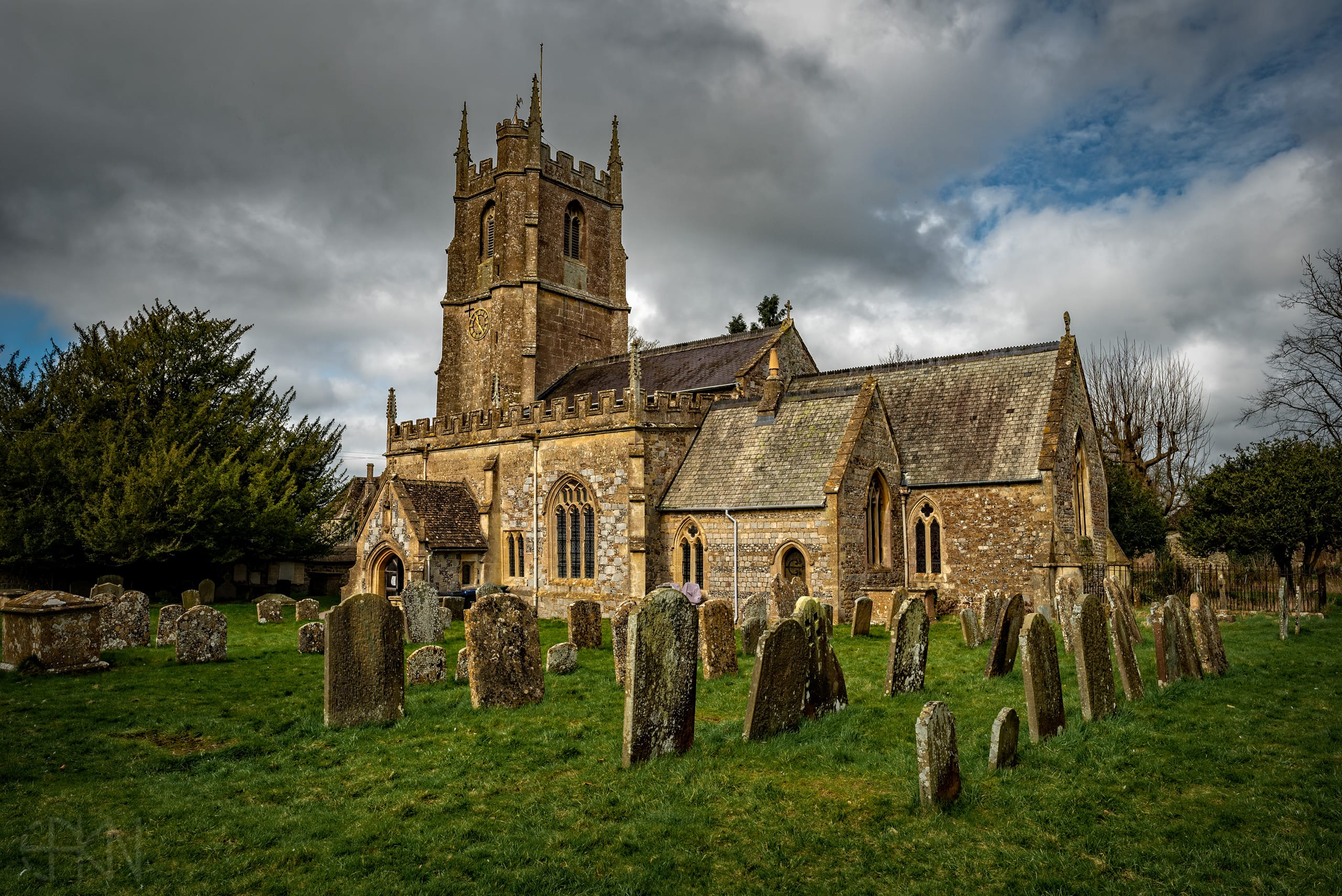
Near to the manor is the parish church of St James. Parts of the structure incorporate the remains of an earlier 10th century church.

The complete absence of modern building development is a salve for the body, mind and spirit.
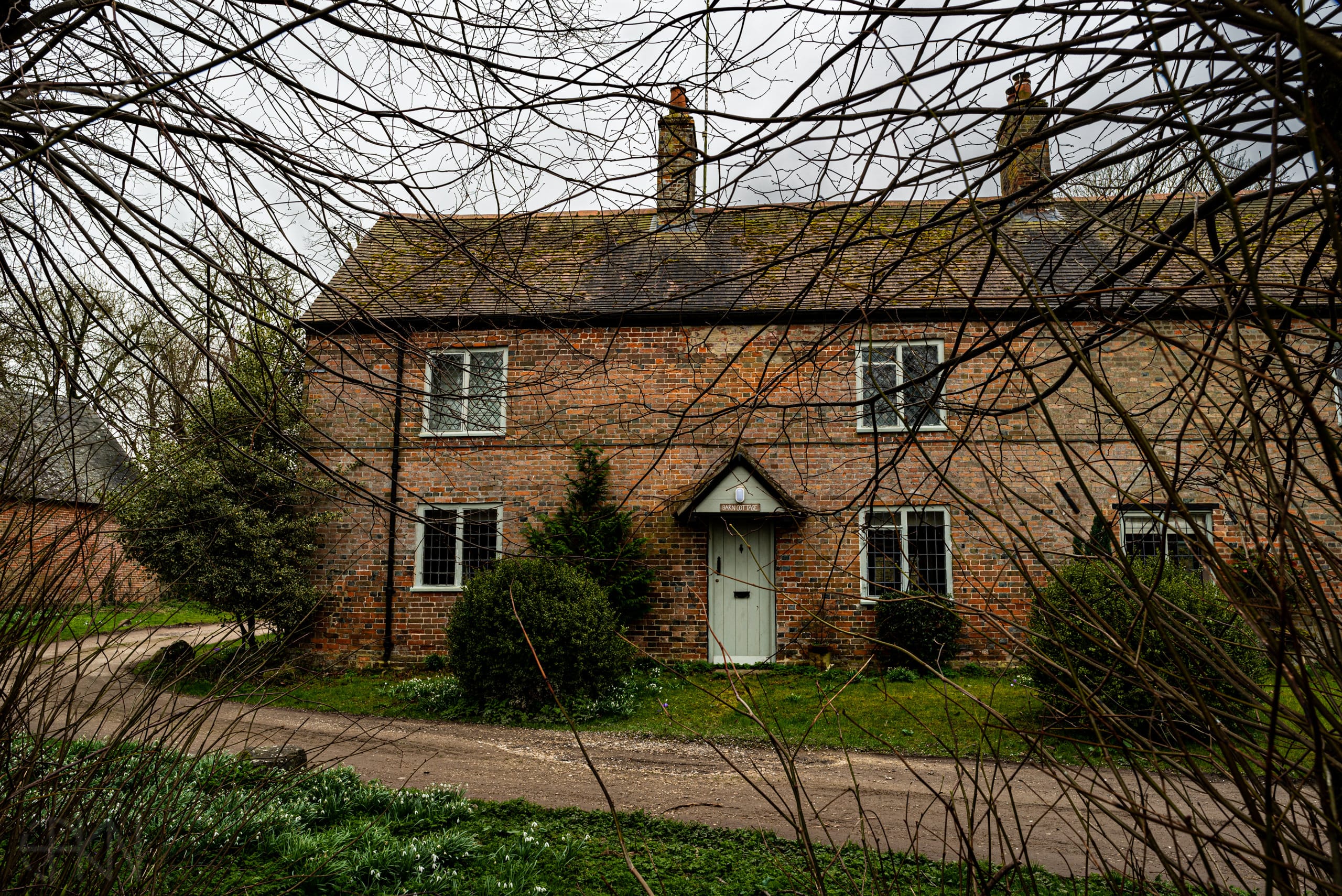
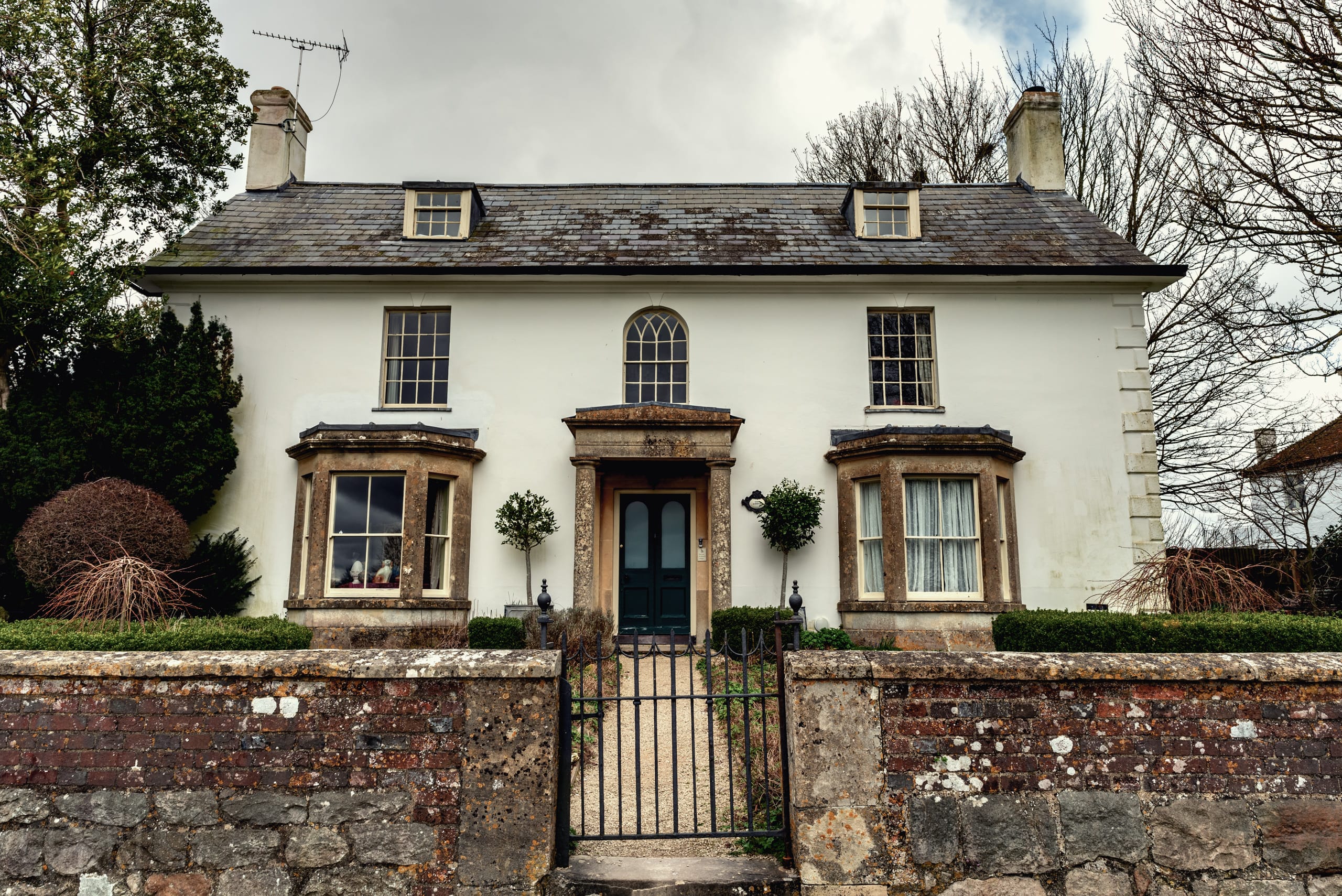
I once stayed in the house pictured below (with the portico). It was quite something to wake in the morning and see the stones through the window. But it’s no longer a guest house.
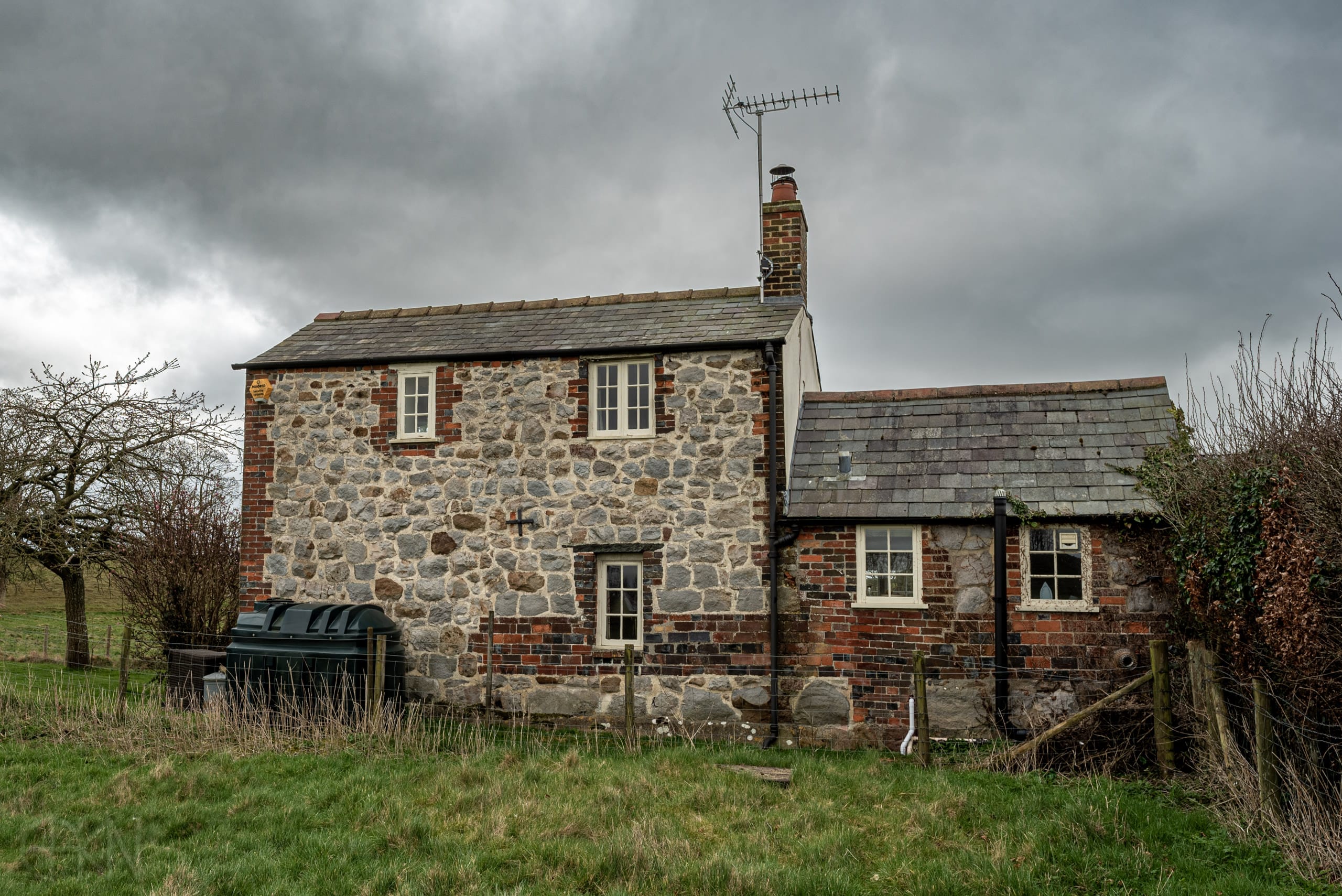
One of my favourite houses is the smallest, pictured below.